
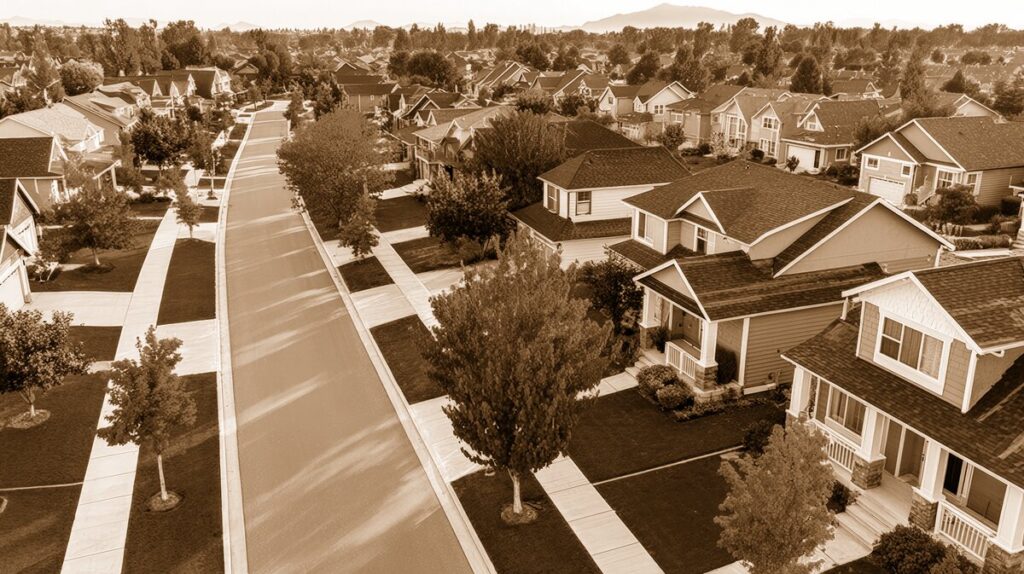
A Neighborhood Rooted in Legacy
Nestled on the western edge of New Braunfels, the West Pointe neighborhood embodies the blend of tradition, Texas charm, and growth that has long defined this beloved city. Ask a longtime resident about West Pointe, and you'll quickly hear stories about generations putting down roots, children learning to ride bikes along shadowy streets, and neighbors sharing a mutual pride in the area’s unique heritage.
How West Pointe Got Its Name
The origin of “West Pointe” dates back to the late 1970s, when New Braunfels was beginning to experience significant growth beyond its historic downtown and Gruene districts. As developers looked to the western prairies flanking Loop 337, the location itself inspired the name. “Pointe” was chosen for its suggestion of upward aspiration—a community perched at the city’s edge, ready for a dynamic future. Over time, West Pointe has come to represent both physical and community elevation, a place where new arrivals and established New Braunfels families unite.
Pioneering Beginnings and Early Growth
In the early years, the land that would become West Pointe was part of expansive ranches, lush with mesquite and wildflowers, intersected only by the gentle curve of Oak Run Parkway and fields once used for grazing cattle. Early records indicate that the land was originally settled by a mix of German and Mexican families, mirroring the wider cultural blend that made New Braunfels famous.
Development picked up pace in the late 1980s, as new streets—such as Westpointe Drive, Meadow Ridge Lane, and Cypress Trails—were laid out. These streets took their names from local flora and geographical points, echoing the natural heritage of the area. The first wave of homes was built in a Texas Hill Country style—stone exteriors, deep porches, and sprawling live oak trees anchoring each lot.
Key Milestones in Neighborhood History
- 1985: Construction began on the original phase of West Pointe Estates, with the first families moving in by the fall of that year.
- Early 1990s: West Pointe Park was established at the intersection of Westpointe Drive and Prairie Hollow. The park quickly became a gathering spot for neighbors, hosting annual picnics, July 4th celebrations, and the famous “West Pointe Egg Hunt.”
- 2001: The West Pointe Community Association was formed, giving residents a voice in city planning, beautification projects, and local growth decisions.
- 2006–2015: New schools and expanded community facilities—including the nearby Veramendi Elementary—bolstered the area’s family-friendly reputation and helped draw in a new generation of residents.
- 2020s: As New Braunfels’ population surged, West Pointe has managed to retain its tranquil character while carefully integrating select new developments, preserving its strong sense of community.
Notable Landmarks and Public Spaces
While West Pointe may not have the stately Victorian houses of downtown or the famous music halls of Gruene, it boasts its own list of beloved local landmarks:
- West Pointe Park: Lined with mature pecan and oak trees, the park is more than just green space—it is the social heart of the neighborhood. On any afternoon, you’ll find children chasing soccer balls, owners walking their dogs, and neighbors gathering at the shaded pavilions.
- The Old Live Oak Trail: Stretching from Meadow Ridge Lane to Cypress Trails, this walking path preserves one of the area's oldest groves of live oaks, some reaching over 100 years in age—reminders of the land’s pastoral roots.
- Historic Stone Markers: Near the intersection of Oak Glen and Westpointe Drive, two century-old boundary stones still stand, rumored to have marked the outer edge of one of the original ranches that preceded suburban development.
Institutions That Bind the Community
A landmark in its own right, Veramendi Elementary sits just a short walk from much of West Pointe. Generations of kids from the neighborhood have filled its halls, brought together for school plays, science fairs, and family evenings that spill out onto the campus lawns. Several locally-owned businesses line the nearby Loop 337, giving West Pointe residents easy access to beloved shops and restaurants that keep the local character alive.
Evolution and Enduring Spirit
Over the decades, West Pointe has carefully balanced growth and preservation. New, thoughtfully designed homes have blended seamlessly with the original cottages, and community events—like the annual spring cleanup and holiday lighting contest—have ensured that neighbors remain connected, fostering the hallmark warmth and welcome of small-town Texas.
Walking down Westpointe Drive on a crisp autumn afternoon, you’re likely to see neighbors chatting over fences, children playing amongst piles of red and gold leaves, and reminders everywhere of the area’s layered history—one that connects the ranchers of the past to the families of today. With every passing year, West Pointe continues to thrive—not just as a neighborhood, but as a tight-knit community where heritage is honored, and memories are made anew.
Why West Pointe Remains Special
What truly makes West Pointe stand out among New Braunfels neighborhoods is its blend of peaceful Hill Country beauty and unshakeable sense of belonging. Residents take pride in their shared stories, in annual events that have spanned generations, and in the everyday moments that make a neighborhood not just a place to live, but a place to call home.
Whether you grew up here, moved in last month, or are just passing by on a leisurely walk, West Pointe’s paths, parks, and people invite you to be part of something lasting—a testament to the enduring spirit of community that defines New Braunfels at its best.